Loading...
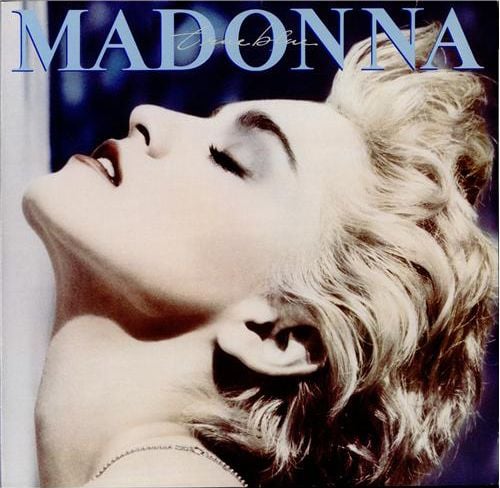
40th
True Blue
Madonna (1986)
A film song a studio rejected, a 10-by-12 home studio, and a teen-pregnancy single Tipper Gore praised gave Madonna five weeks at No. 1 and three US chart-toppers.
Pop13 min read
Assembled from six years and four producers as a Christmas stopgap, it took 39 years to crack the US Top 10 — and is now in more than one in four UK homes.
Read Full Review→Discover the stories behind the albums that shaped music history
Madonna (1986)
A film song a studio rejected, a 10-by-12 home studio, and a teen-pregnancy single Tipper Gore praised gave Madonna five weeks at No. 1 and three US chart-toppers.
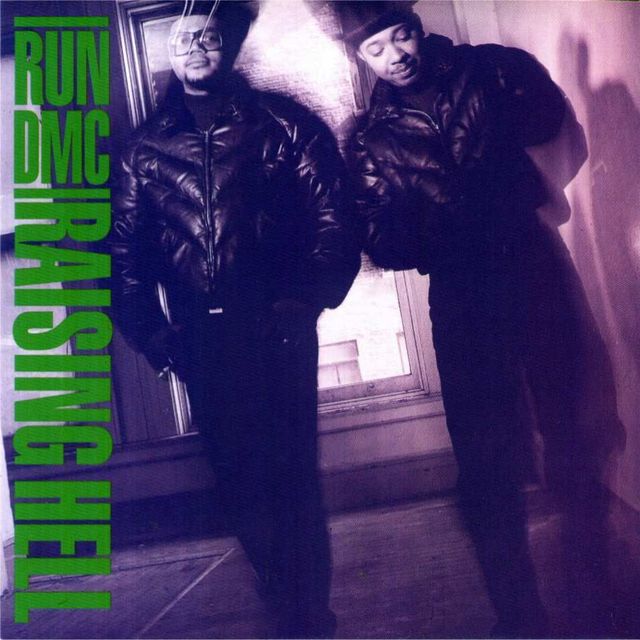
Run-D.M.C. (1986)
Three months at Chung King, an $8,000 Aerosmith cameo, and a sneaker song that landed an Adidas deal made Raising Hell the first rap album to sell three million copies.
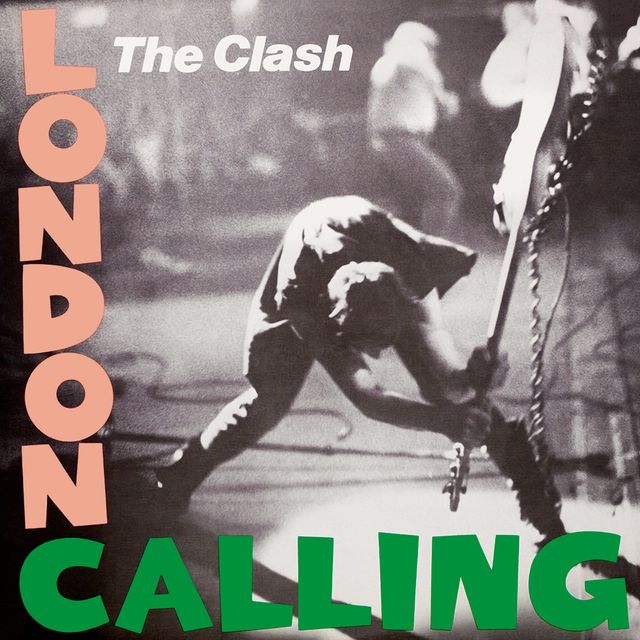
The Clash (1979)
No manager, a garage in Pimlico, and a producer who threw chairs: The Clash made a double album for the price of one, and an unlisted song gave them their first US hit.
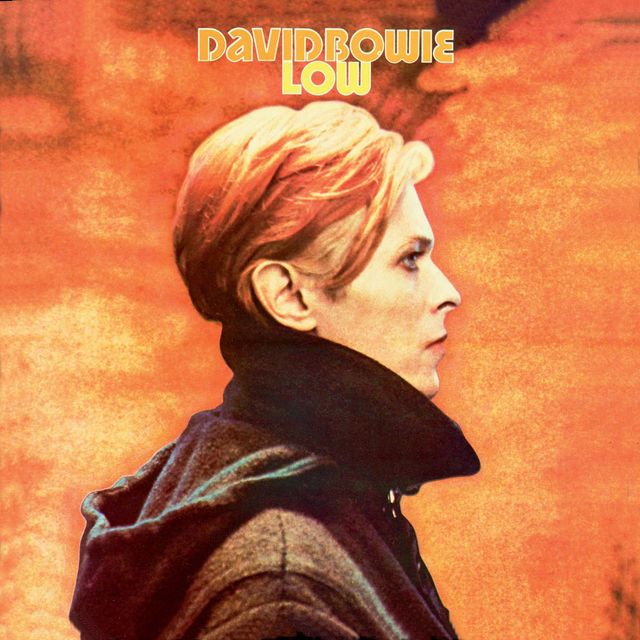
David Bowie (1977)
A gadget that "f—s with the fabric of time," a haunted French château, and a side of music without words: David Bowie got clean making Low, and RCA wanted Young Americans II.
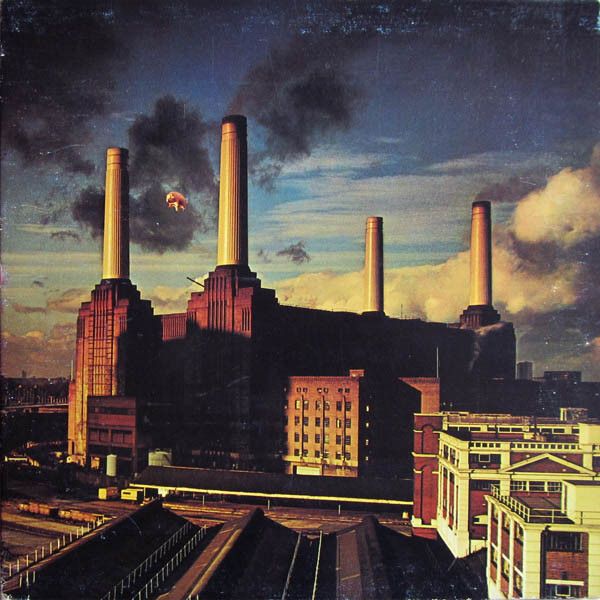
Pink Floyd (1977)
A 40-foot pig broke loose over Battersea, a marksman missed his shift, and Roger Waters turned two leftover 1974 songs into Pink Floyd's angriest album, released in punk's first winter.
Explore our comprehensive album reviews and fascinating deep-dive stories
The names behind the board on the classics we cover
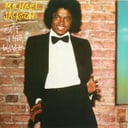
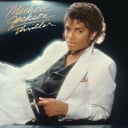
The architect of Michael Jackson’s imperial era
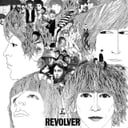
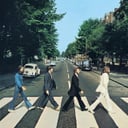
The fifth Beatle, and the blueprint for the modern producer
The perfectionist behind the Eagles’ biggest records
The maximalist who stacked Queen’s towering harmonies
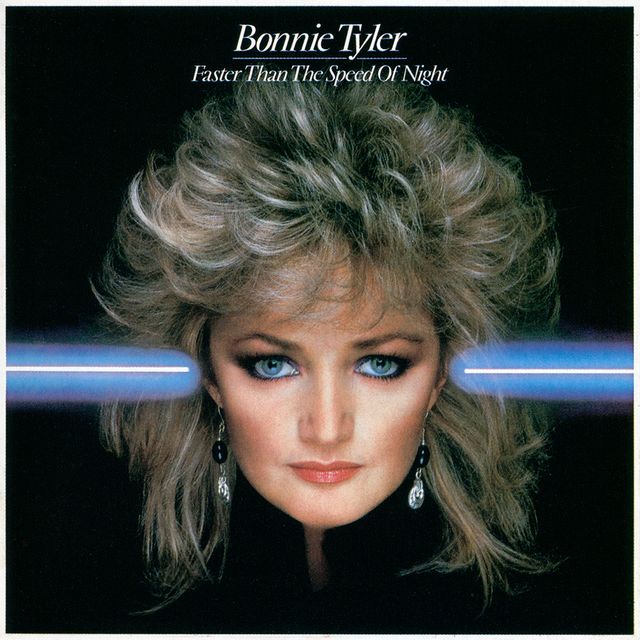
Jim Steinman wrote it as 'Vampires in Love' for a Nosferatu musical that never happened. Bonnie Tyler turned it into four weeks at No. 1 — and the vampires eventually got it back.
Read Story→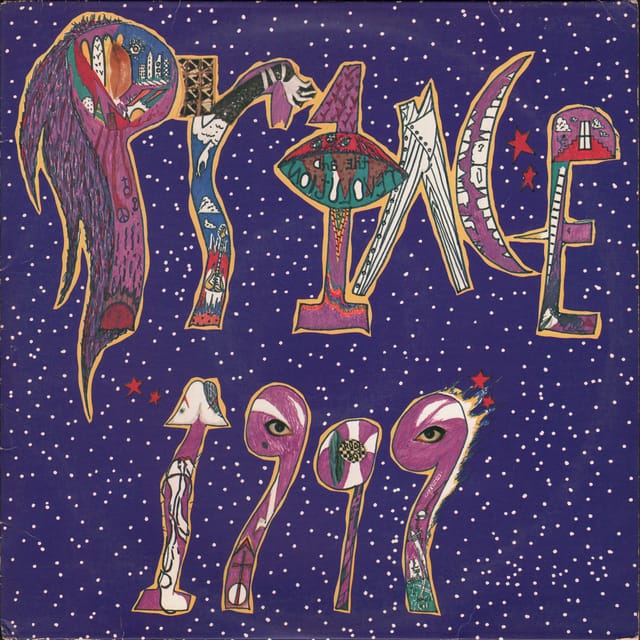
A Los Angeles studio booked around the clock, one engineer, a song a day, and a Linn LM-1 Prince treated as a sound of its own. How 1999 became his breakthrough.
Read Story→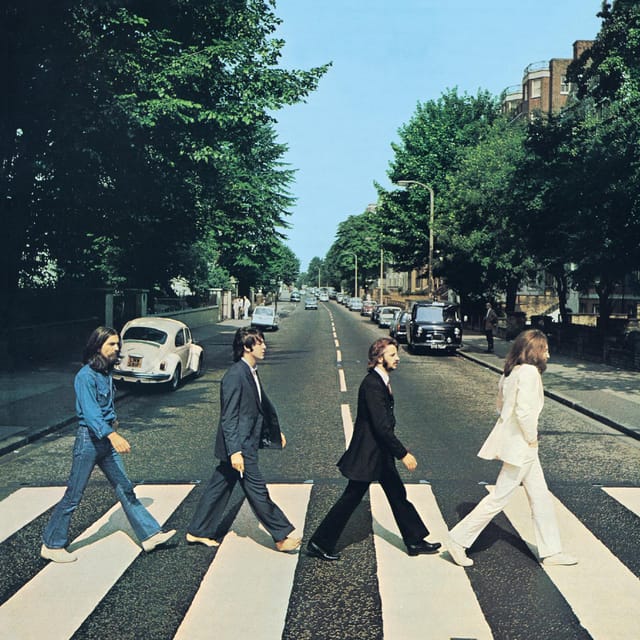
A student paper in Iowa, a caller to a Detroit DJ, a clue list a Michigan student later admitted he made up, and Paul's bare feet on the Abbey Road cover.
Read Story→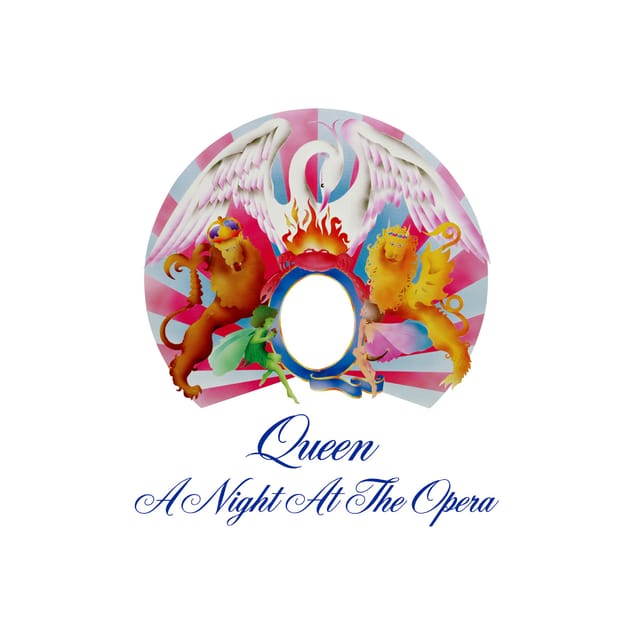
Fifteen hundred pounds in the bank, a management deal that left them in debt, and a six-minute single nobody wanted. How Queen made A Night at the Opera.
Read Story→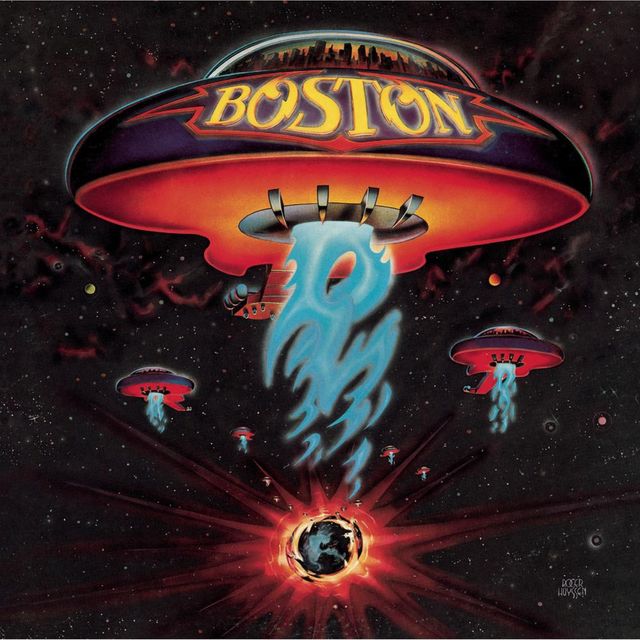
Epic Records needed the world to believe Boston's debut was cut in a real studio. It was actually built alone in a Watertown basement by an MIT engineer moonlighting from his job at Polaroid — and the label helped hide it.
Read Story→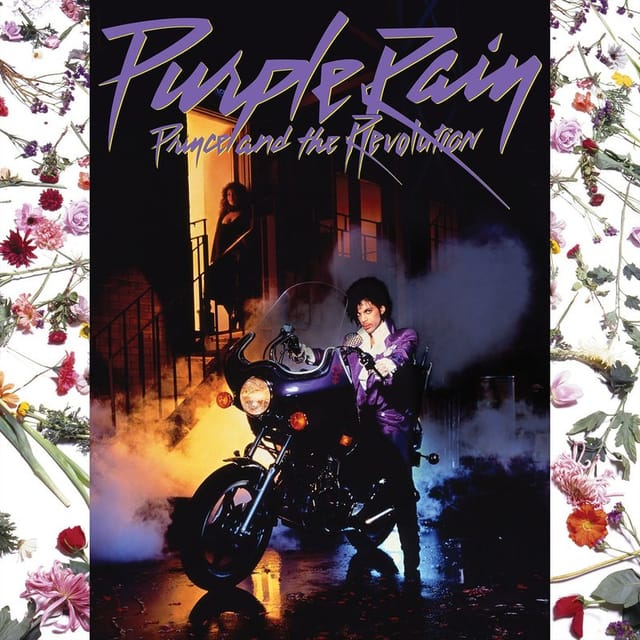
A $25 benefit for a struggling Minneapolis dance company brought a mobile truck from New York to First Avenue — and captured the live takes of "Purple Rain," "I Would Die 4 U," and "Baby I'm a Star" that ended up on the finished album.
Read Story→
Quincy Jones called Eddie Van Halen out of the blue and got hung up on four times. Twenty minutes and two six-packs of beer later, Van Halen had recorded the most famous guitar solo of his career — on someone else's record, for free.
Read Story→
Epic Records wouldn't pay for a third Thriller video and MTV never paid for videos at all — so Michael Jackson's lawyer financed a $500,000 short film by pretending it was a documentary instead.
Read Story→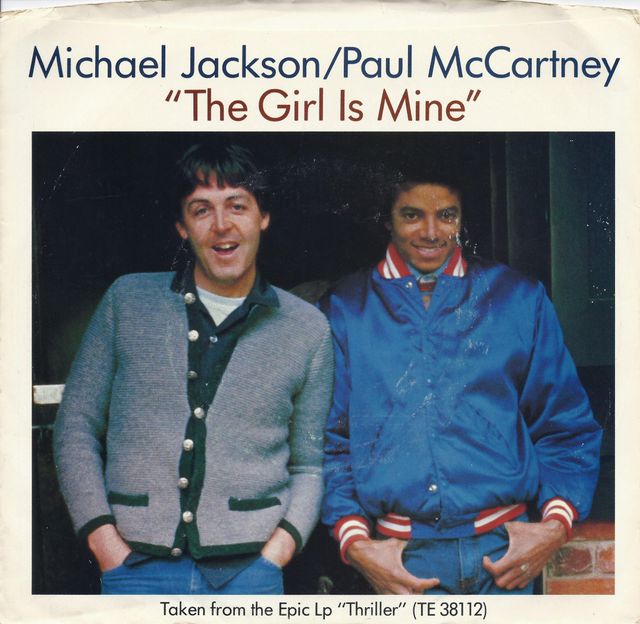
Paul McCartney told Michael Jackson to invest in music publishing. Two years later, Jackson outbid McCartney himself for the company that owned the Beatles catalog, and the two men never spoke again.
Read Story→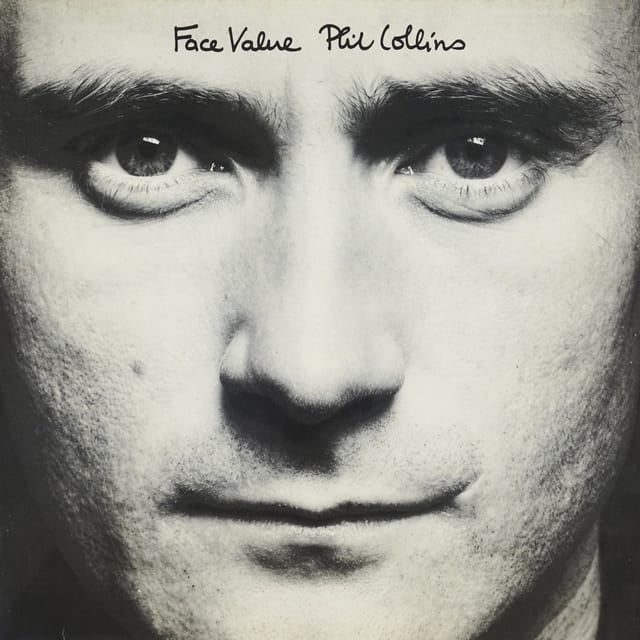
Fans spent forty years insisting Phil Collins watched a man drown and later exposed the bystander who let it happen. Collins says it's about his divorce — and the song's real secret is in the drum sound, not the lyrics.
Read Story→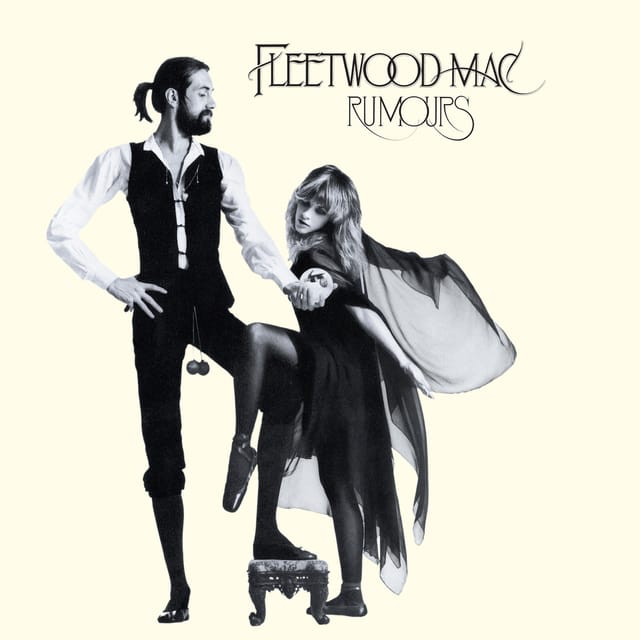
Fleetwood Mac's only five-way song was never written. A scrapped Christine McVie tune, a jam-session bass run, and a Stevie Nicks demo were spliced together with razor blades — mid-divorce.
Read Story→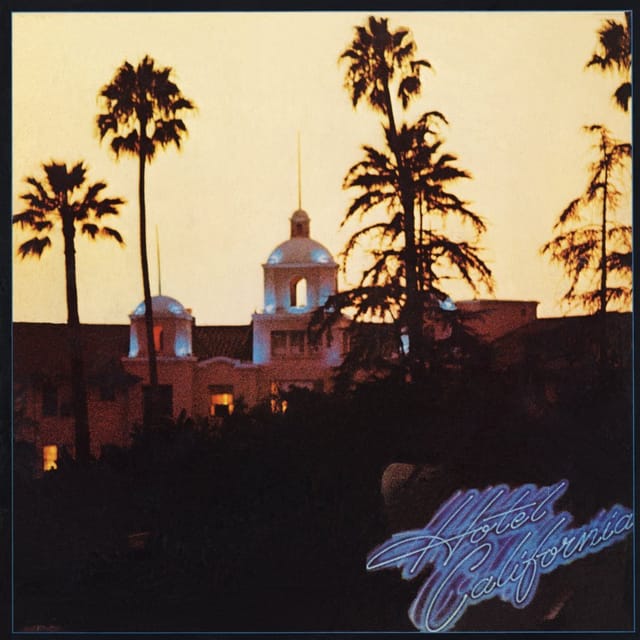
Preachers said the hotel was Anton LaVey's inn. Fans saw the devil in the gatefold photo — a hired model, blurred. Don Henley has spent fifty years explaining what the song really means.
Read Story→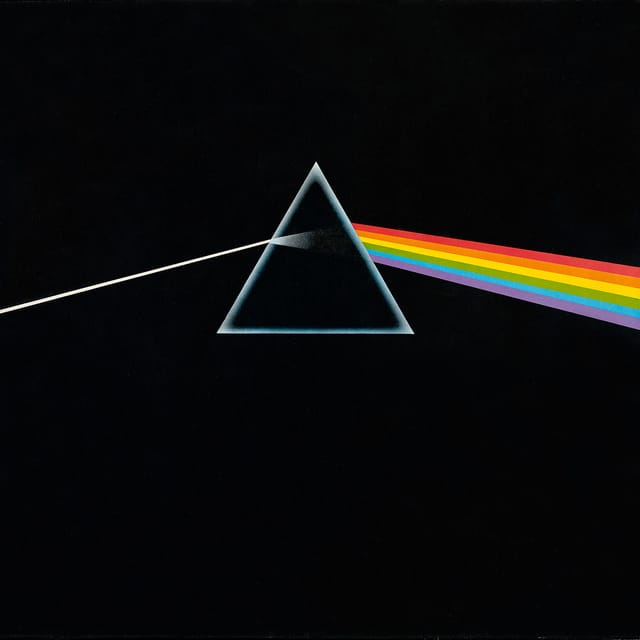
A Usenet post sent a 19-year-old intern to his dorm-room TV in 1995. Two years later Boston radio, MTV and Turner Classic Movies had turned six coincidences into rock's most durable legend.
Read Story→Paul told the tape op to bin a 23-second scrap. EMI had told him never to throw Beatles tape away. His compromise became the first hidden track — and the last thing on their last album.
Read Story→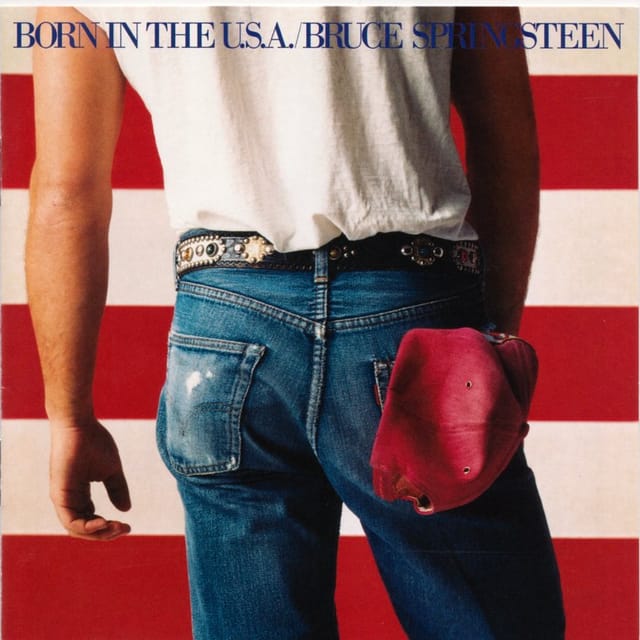
George Will put cotton in his ears at the show, then wrote the column that sent Reagan to a New Jersey field to quote Springsteen. Lee Iacocca offered $12 million for the same misunderstanding.
Read Story→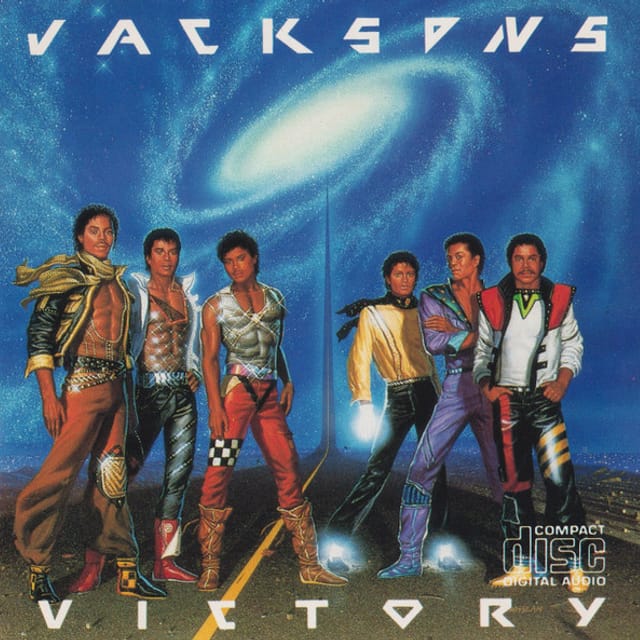
An 11-year-old in Texas asked Michael Jackson how he could be so selfish. The $75 million tour that followed never played a song from its own album, and cost its promoter the New England Patriots.
Read Story→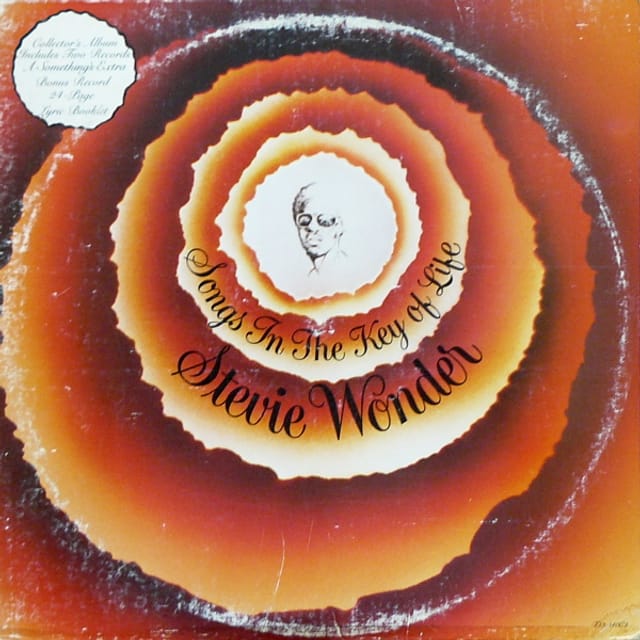
Motown paid the biggest advance in record-business history, then printed thousands of T-shirts joking about the wait. Wonder was inside cutting roughly 200 songs, one of them taught to the band in 45 minutes.
Read Story→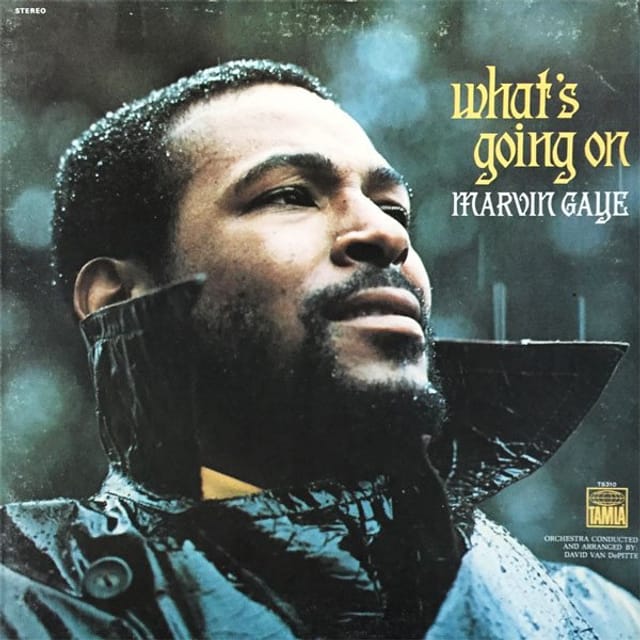
Berry Gordy called it the worst thing he'd ever heard and Quality Control rejected it. A sales executive pressed 100,000 copies anyway, without his sign-off, and it sold out in days.
Read Story→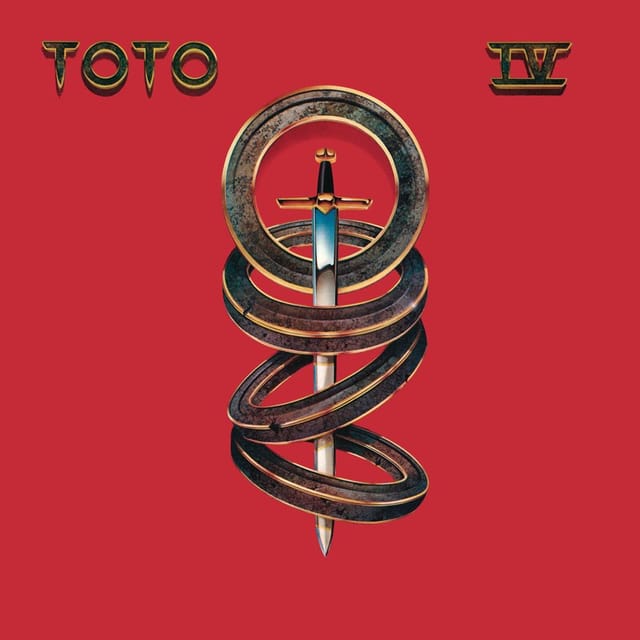
Rolling Stone dismissed their debut as the work of "career session players." Then Paich, Lukather and the Porcaro brothers turned up on Michael Jackson's Thriller while still touring their own hits.
Read Story→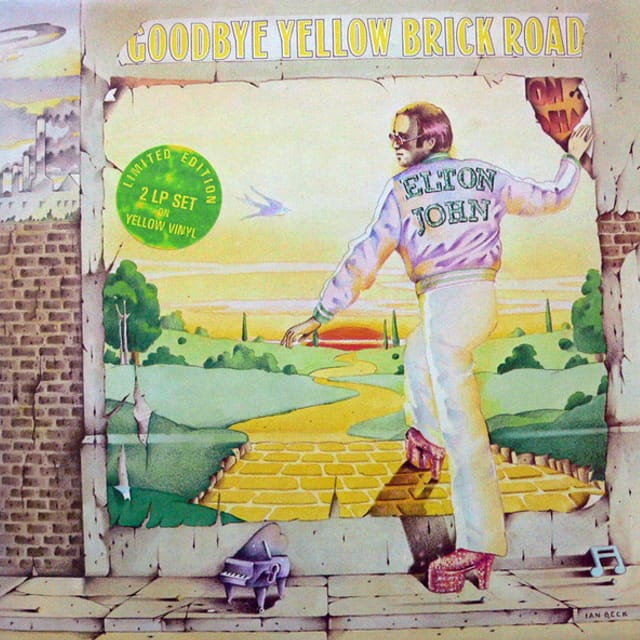
Elton John flew to Kingston to record like the Rolling Stones had. Two days, zero usable takes, and one very honest warning about cockroaches later, he wrote 21 songs in a hotel room instead.
Read Story→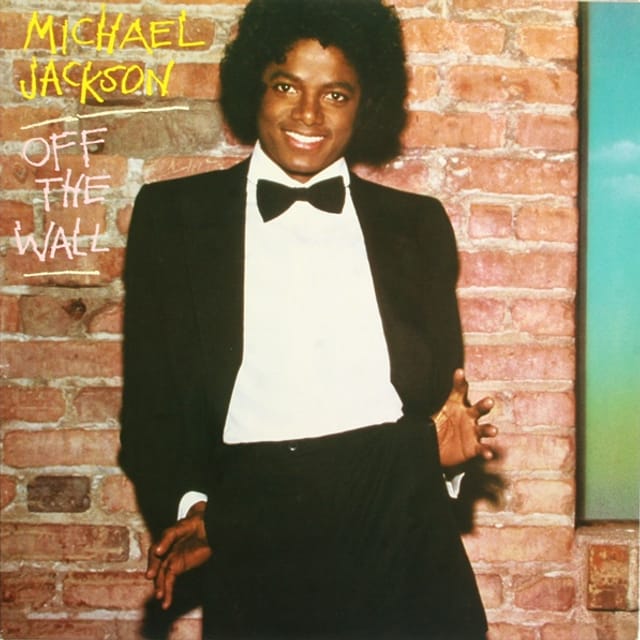
Off the Wall won a single Grammy in February 1980, boxed into a disco category the Academy killed the same year. Four years later, Thriller answered every category that had shut it out.
Read Story→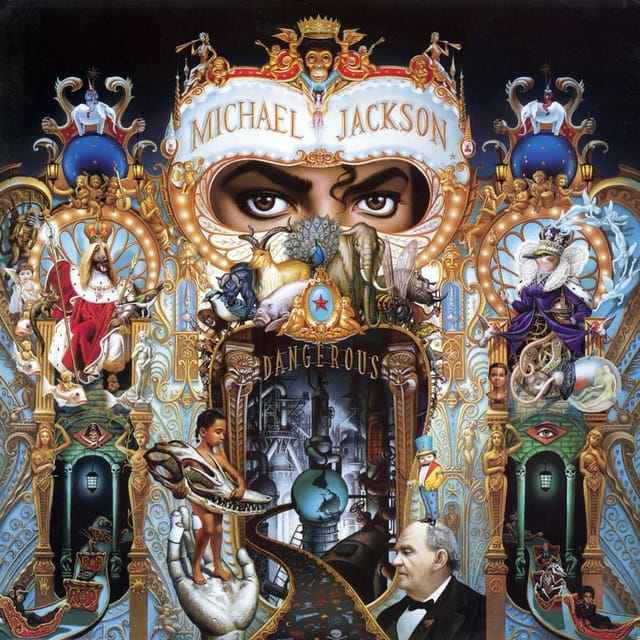
Quincy Jones was gone after three albums. Michael Jackson called a 23-year-old new jack swing producer he'd already once been refused, shipped him a brick phone, and asked him to start in a week.
Read Story→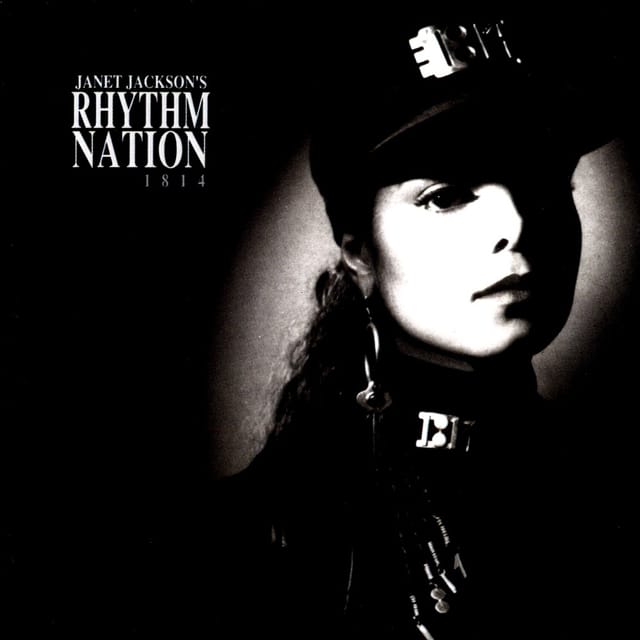
Three years after Control declared her independence, Janet Jackson spent six months building a militaristic concept album around a number nobody could explain — 1814 — until she finally did.
Read Story→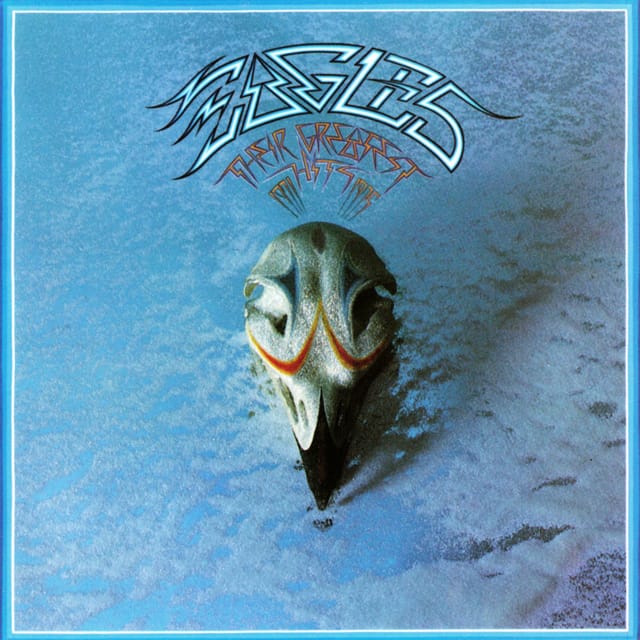
The Eagles didn't want it released and complained about it at the time. Fifty years later it's RIAA's first Quadruple Diamond album — ahead of Thriller, which was built from day one to be the biggest album ever made.
Read Story→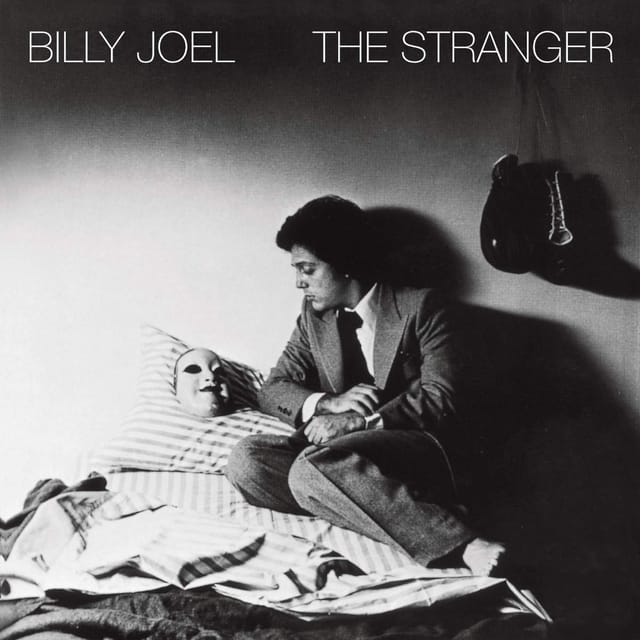
Billy Joel turned down George Martin to keep his road band. Phil Ramone kept the band, and kept the melody Joel whistled as a placeholder. It became the first sound on The Stranger.
Read Story→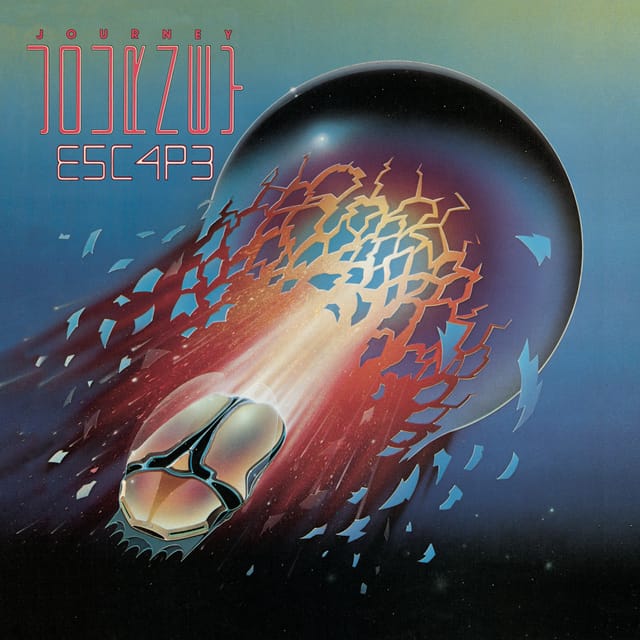
Journey's 1981 single peaked at No. 9. Then a Baltimore lounge singer, the 2005 White Sox, a Sopranos cut to black and the Glee pilot turned it into an 18-times-platinum anthem.
Read Story→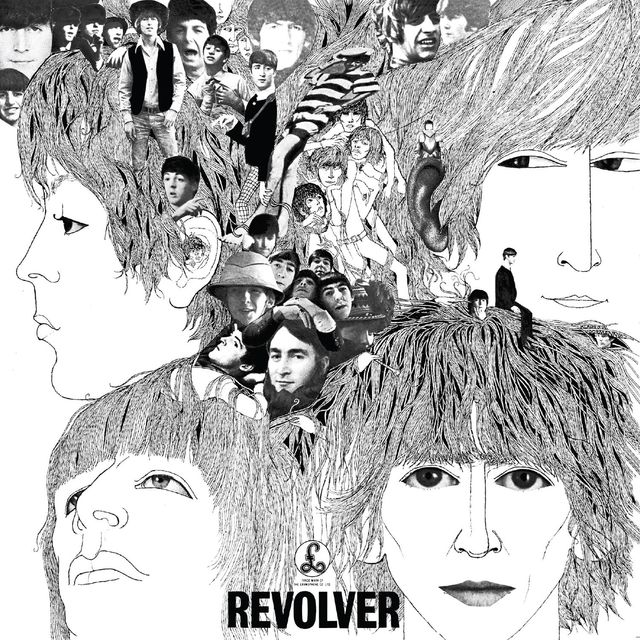
A Timothy Leary book, a one-chord song called 'Mark I', a 20-year-old engineer on his first Beatles session, and tape loops held taut with pencils: how Revolver began.
Read Story→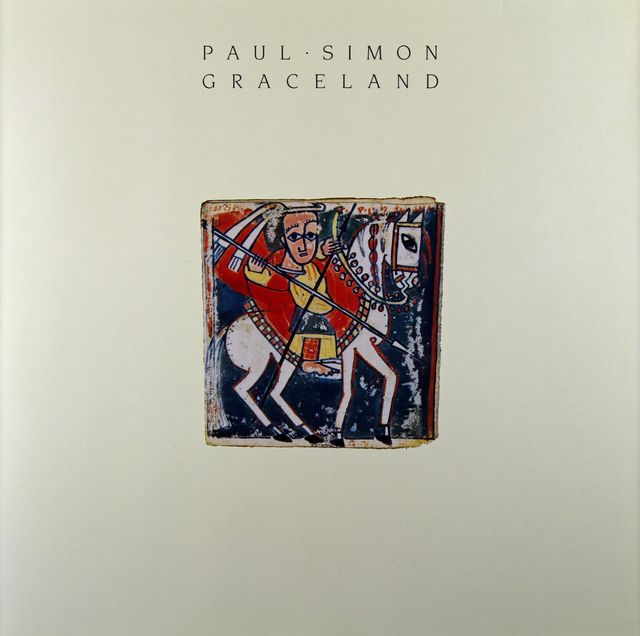
Paul Simon recorded in Johannesburg against the ANC's wishes, landed on a UN register, and faced pickets in London. In 1992 Nelson Mandela welcomed him back.
Read Story→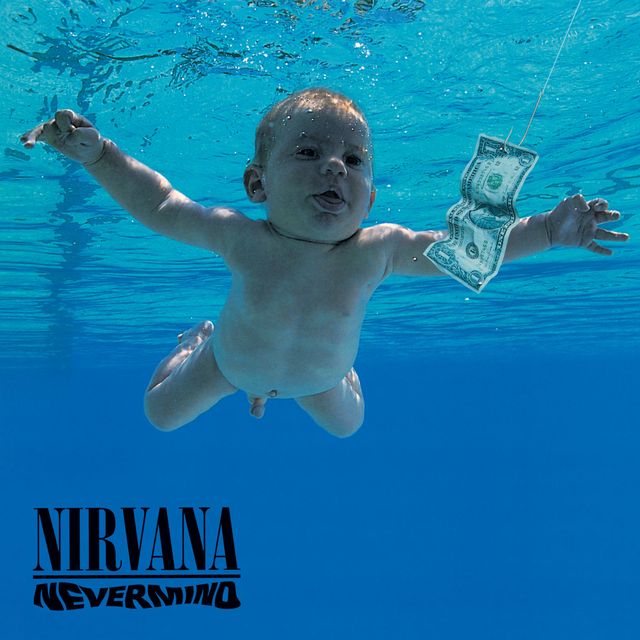
Spencer Elden's parents were paid $200 for a 1991 pool shoot. He recreated the photo at 17 and 25, then sued Nirvana at 30. A judge ruled it was not child pornography.
Read Story→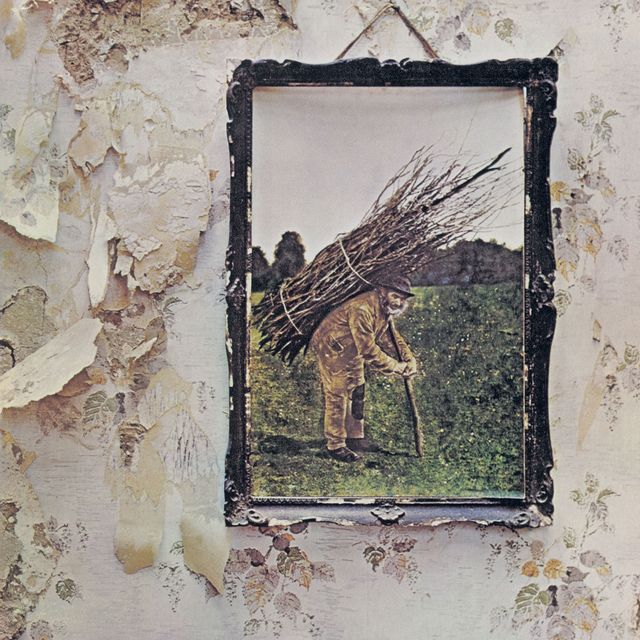
Stung by reviews of III, Jimmy Page shipped the follow-up with no title and no band name. Two symbols came from a book of signs, one from a lost continent, and Page won't explain his.
Read Story→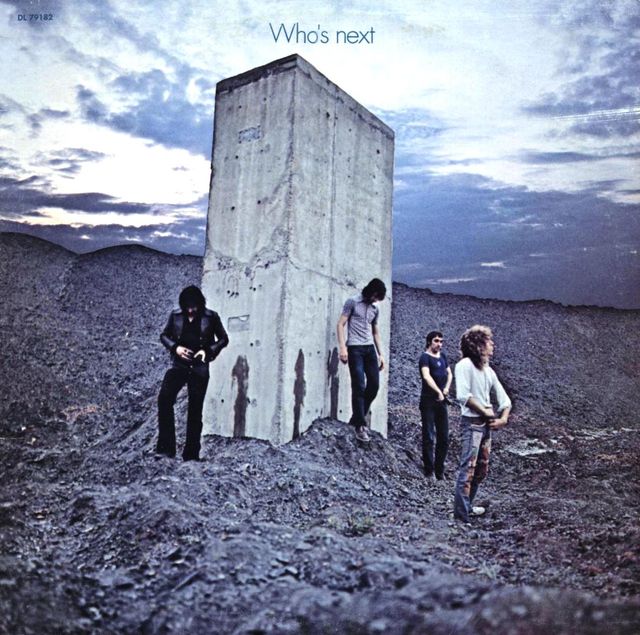
An empty theatre, a hotel window on Central Park South, and a producer who admitted he didn't understand a word: how Pete Townshend's Lifehouse turned into Who's Next.
Read Story→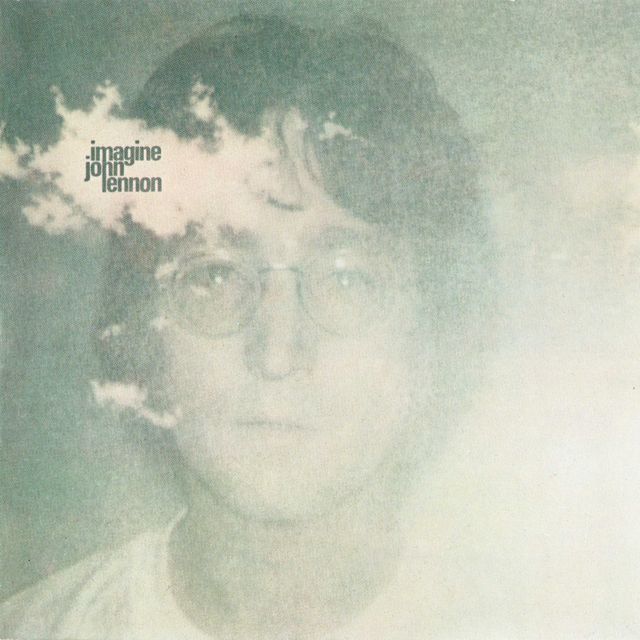
A 1963 instruction poem from Grapefruit, a white piano that was a birthday gift, and Lennon's admission that he "wasn't man enough" to share the credit until 2017 made it official.
Read Story→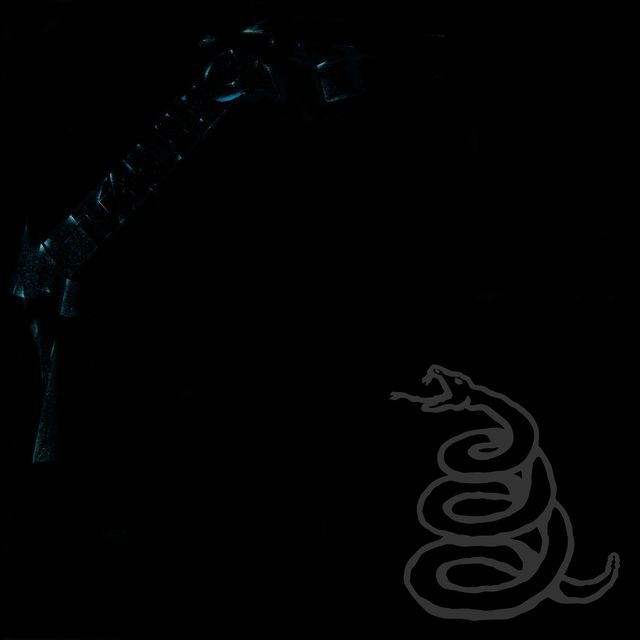
Metallica kept a backup producer on standby, Kirk Hammett had to play his solos live, and 1,500 fans later signed a petition to fire Bob Rock. The fight behind the Black Album.
Read Story→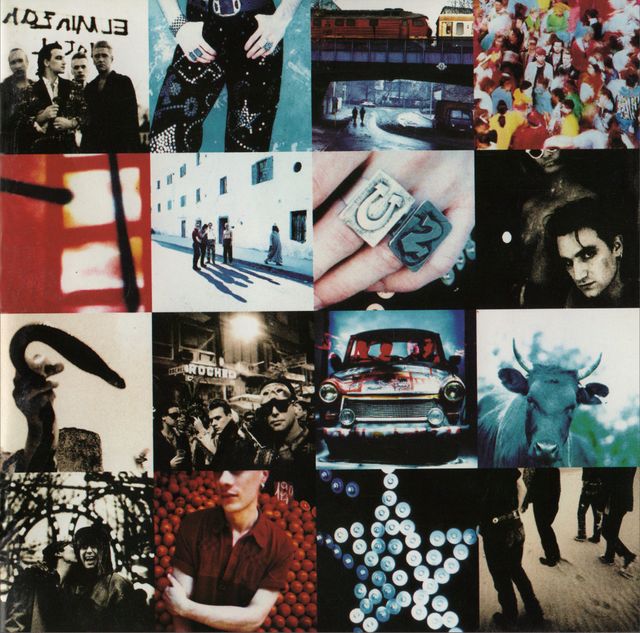
Two chord sequences played back to back, a band arguing in a Berlin ballroom, and a video in drag U2 had to pull. How "One" saved Achtung Baby.
Read Story→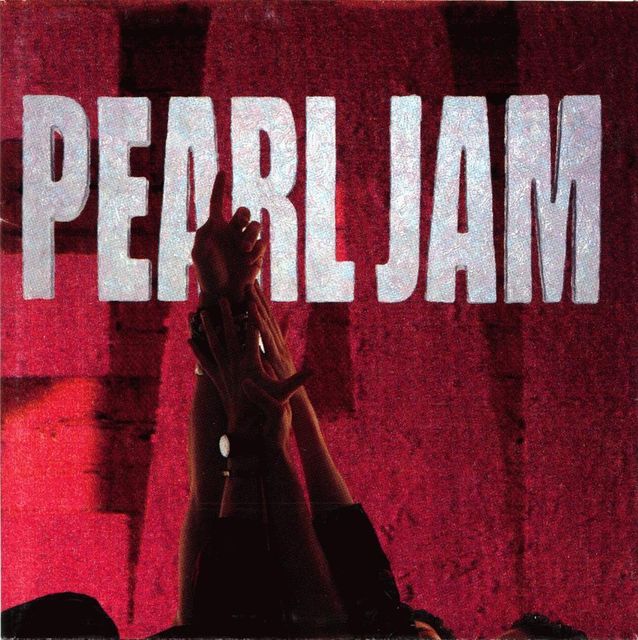
Andrew Wood died at 24 on the eve of Mother Love Bone's debut. Chris Cornell wrote him two songs, and a shy surfer named Eddie Vedder walked up to the mic.
Read Story→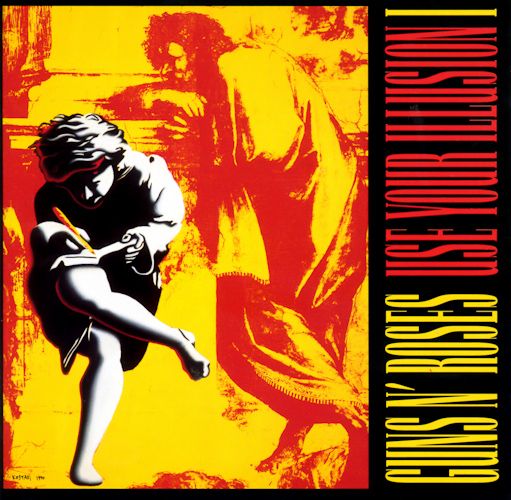
A fired mixer, a riot in St. Louis, and a Wal-Mart ban came before Slash watched the midnight rush from behind a Tower Records two-way mirror.
Read Story→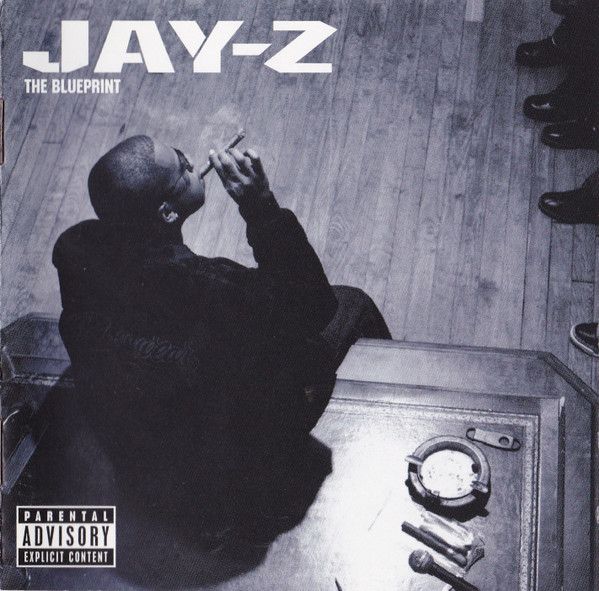
A stabbing over counterfeit copies, a gun charge, and two weeks at Baseline Studios. Then Jay-Z moved The Blueprint up a week to beat the bootleggers, to September 11, 2001.
Read Story→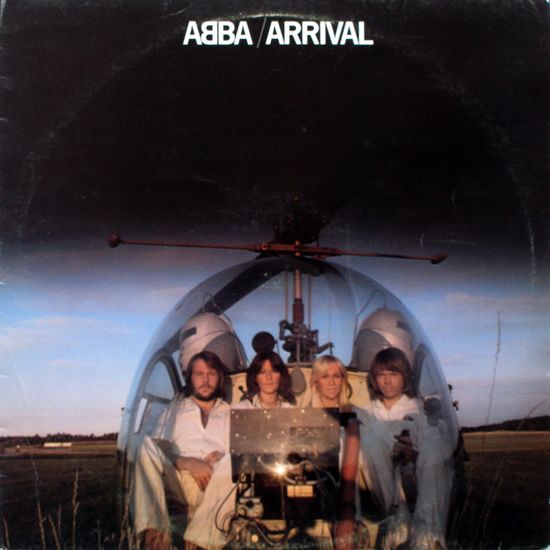
A backing track called "Boogaloo" made Frida cry. It premiered at a royal wedding gala it wasn't written for, and became ABBA's only US No. 1 and a wedding-reception staple.
Read Story→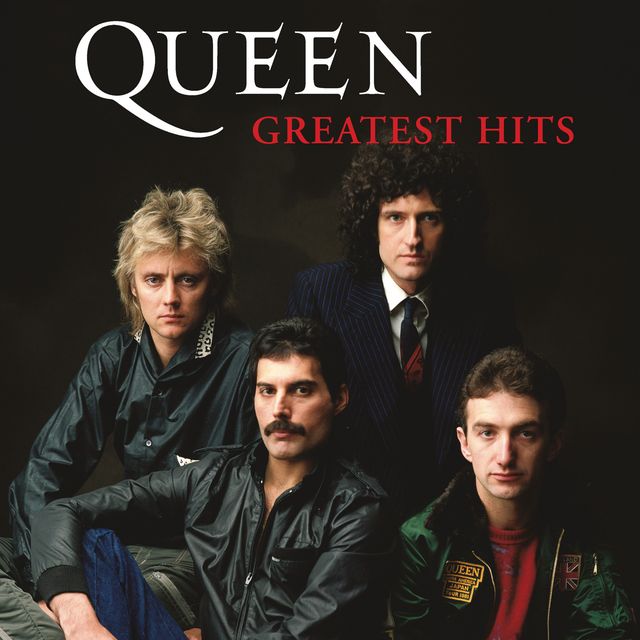
One in three British families, or one in four households? 18.6 million families, 26.7 million homes, and 1.26 billion streams behind Britain's best-selling album.
Read Story→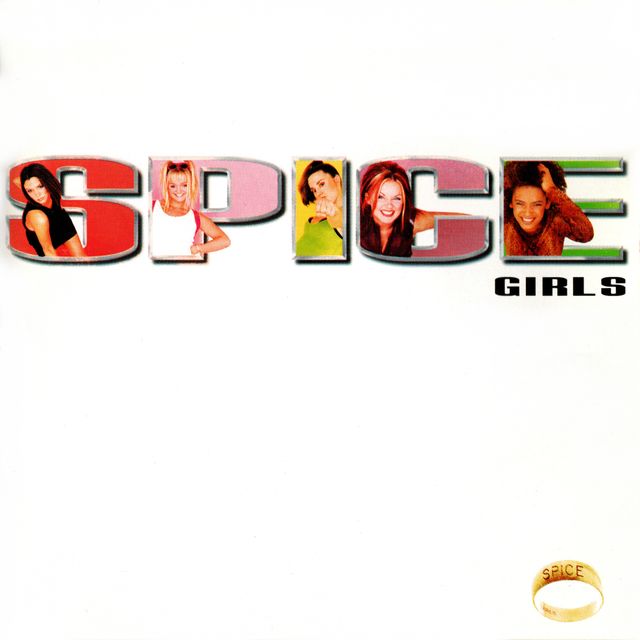
Four hundred hopefuls, a dance routine to Eternal’s “Stay,” a house in Maidenhead, and a “Wannabe” master tape Geri Halliwell smuggled out when the group walked out on their managers.
Read Story→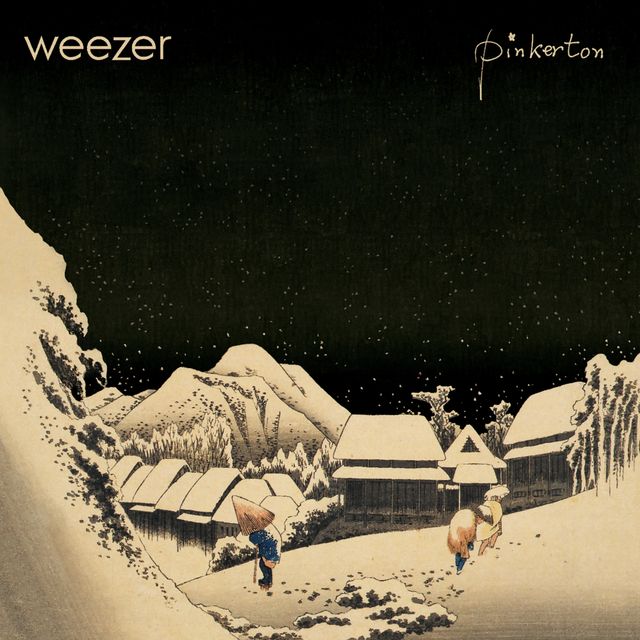
Rolling Stone readers voted it one of 1996's worst albums and Rivers Cuomo called it hideous. Then Jimmy Eat World, Saves the Day and their fans adopted Pinkerton.
Read Story→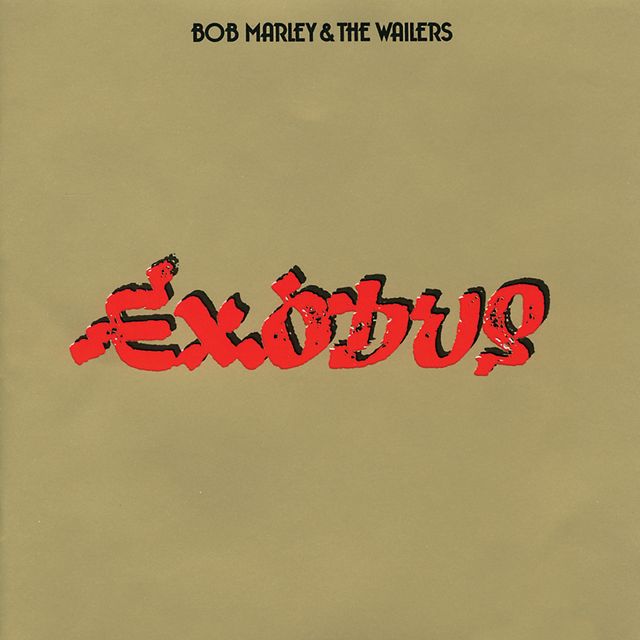
Gunmen shot Bob Marley at his Kingston home on December 3, 1976. Two days later he played Smile Jamaica with the bullet in his arm, then left for London and made Exodus.
Read Story→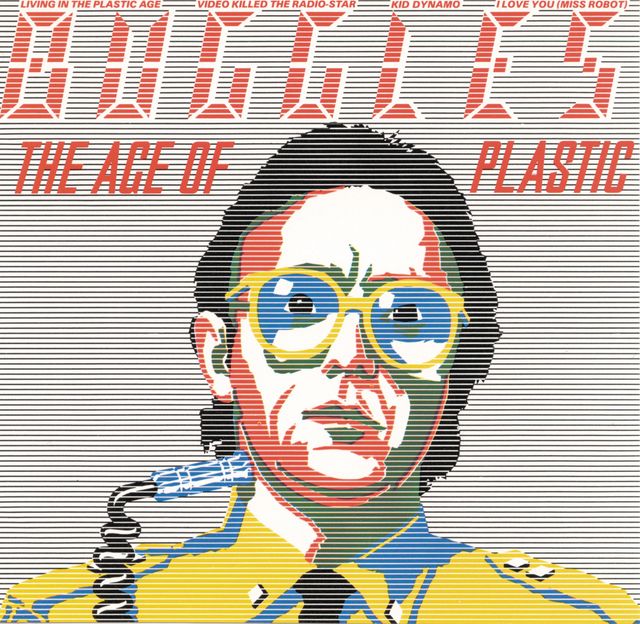
About 250 videos, five VJs on tape, a $1,000 logo, and an audience limited to one New Jersey cable operator. How MTV went on the air on August 1, 1981.
Read Story→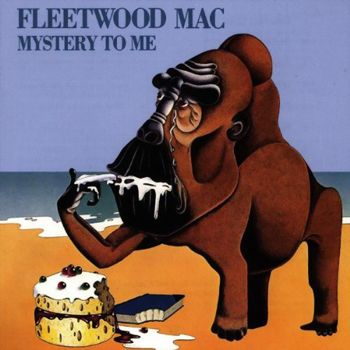
Manager Clifford Davis put a band with no Fleetwood Mac members on the road in 1974 and said he owned the name. The fight that followed sent the real band to Los Angeles.
Read Story→From rock to jazz, discover the albums that defined each genre
We celebrate the albums that have shaped music history through in-depth anniversary reviews, cultural analysis, and historical context. Our mission is to preserve and share the stories behind the music that continues to inspire new generations.