Temple of the Dog
Mother Love Bone lost their singer on the eve of their debut album. A memorial record by his friends became the rehearsal room where Pearl Jam was born.
 Trevor Fortune•🎵 Pearl Jam - Ten•5 min read•October 8, 2026
In March 1990, Andrew Wood lay on life support in a Seattle hospital. He was 24, the singer of Mother Love Bone, and his band's major-label debut was weeks from release. When his family decided to switch off the machines, his bandmates gathered around the bed with candles. They played Queen's A Night at the Opera, his favorite album.
Wood died on March 19. Within eighteen months, two of the men at that bedside, Stone Gossard and Jeff Ament, had made a memorial album with Chris Cornell. They had also found a new singer and released Ten. Pearl Jam was built out of that grief, one step at a time.
The Singer Who Wanted to Be Freddie
Wood was nothing like the flannel-shirted singers who would define Seattle a year later. He wore face paint and called himself “L'Andrew, the Mythical Love Child.” “If he could have been anyone,” Gossard said, “he would have loved to have been Freddie Mercury.” Mother Love Bone set off a label bidding war and signed a major-label deal in November 1988.
Wood also had a long history with heroin. By early 1990 he had been clean for 116 days, and a recovering addict had been hired as tour manager to keep him that way through the album campaign. Instead, he went downtown alone and used. His tolerance was gone. His girlfriend found him in a coma hours later.
Gossard said later that there had always been something sad underneath the showman. “His way of hiding it and dealing with it was being this flamboyant, over-the-top, happy guy,” he said. Mother Love Bone's album, Apple, had been due out that month. It was pushed back to July 19, 1990, and failed to chart.
“You've Got to Let It Die”
The obvious move was to find a new singer and keep the record deal. Labels were already circling Seattle. Gossard refused.
"What we stood for is there on Apple and I'm not going to try to recreate with some other singer. I'm not into it. When something is over, you've got to let it die."
Ament agreed. Carrying on under the old name, he said, “would be total prostitution.” So the two of them were left without a band, just as the city they had been playing in for years was about to become the center of rock.
Two Songs From Cornell
Chris Cornell, Soundgarden's singer, had been Wood's roommate. Wood died on the day Cornell was due home from a long tour. On the road in Europe, Cornell wrote two songs for him, “Say Hello 2 Heaven” and “Reach Down.” When he got back, he didn't take them to Soundgarden. He took them to Gossard and Ament.
The plan was a single. It grew into an album. Soundgarden drummer Matt Cameron joined, along with guitarist Mike McCready, who was already writing with Gossard and Ament for a new band. They named themselves Temple of the Dog, after a line in Wood's Mother Love Bone song “Man of Golden Words.” They cut the album with Rick Parashar at London Bridge Studio in about fifteen days in late 1990. Gossard later called it “the easiest and most beautiful record that we've ever been involved with.”
Meanwhile, Gossard, Ament, and McCready needed a singer for their other band. Their instrumental demo had gone south with the drummer Jack Irons to his basketball friend in San Diego, a gas-station night attendant named Eddie Vedder. Vedder surfed, wrote lyrics, mailed the tape back, and in October 1990 flew to Seattle. Soon he was also sitting in on the Temple of the Dog rehearsals.
The Shy New Guy at the Microphone
Cornell had a song called “Hunger Strike” with only one verse, and he couldn't work out how to finish it. Vedder, who barely knew anyone in the room, solved it without being asked.
"I was singing the chorus in the rehearsal space and Eddie just kind of shyly walked up to the mic and started singing the low ‘going hungry’ and I started singing the high one. When I heard him sing, the whole thing came together in my brain."
Cornell gave Vedder the second verse, the same words in a different voice. On a Seattle radio show, he said Vedder “sang it exactly the way I was thinking about doing it, just instinctively.” For many listeners, it was the first sign of what Vedder could do.
For Vedder, those weeks were a crash course in the band he had just joined. “Can you imagine how inspiring that was?” he said. “We were going into coffee shops, fuelling up and going into this dank basement, playing this music with a band that had a magical intensity about it.” The new band started out as Mookie Blaylock, named after the NBA guard, before renaming itself Pearl Jam.
The Tribute That Charted Last
A&M released Temple of the Dog in April 1991. Cornell said the tribute side of it only sank in once the record was finished. “Once the record was mixed and we knew it was going to be released, then I think the tribute aspect of it started to creep back in on everybody,” he said. It sold about 70,000 copies and was mostly ignored.
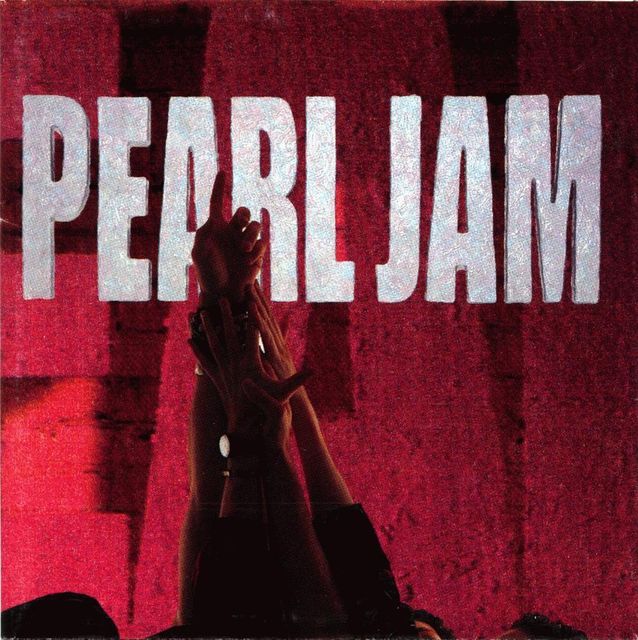
Pearl Jam recorded Ten at the same studio with the same producer and released it on August 27, 1991. A year later it was everywhere, and so was Soundgarden's Badmotorfinger. A&M put out “Hunger Strike” as a single with a new video. The memorial album nobody had bought climbed to No. 5 on the Billboard 200 and went platinum.
Temple of the Dog finally toured in November 2016, for the album's 25th anniversary. They played Mother Love Bone songs alongside their own. Cornell died in 2017. The songs he wrote for his roommate have outlived them both, and so has the band that formed while he was recording them.