Video Killed the Radio Star at 12:01 a.m.
MTV went on the air on August 1, 1981, with about 250 videos and five VJs. Hardly anyone could watch it, and most record labels didn't see the point.
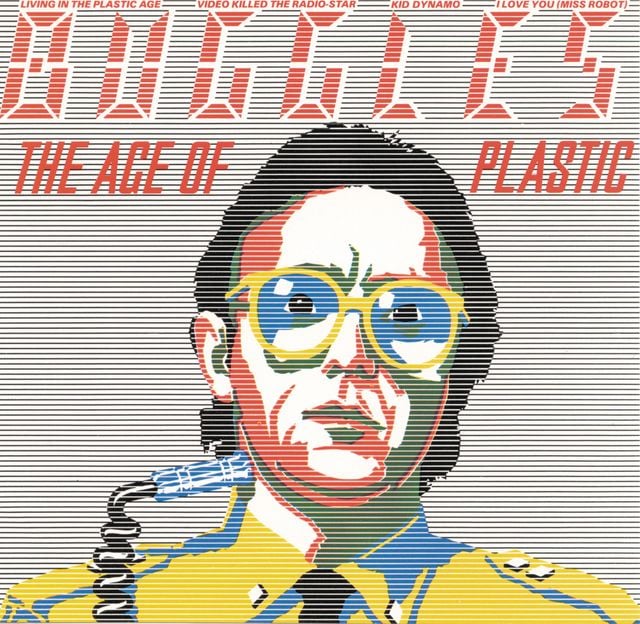
 Trevor Fortune•🎵 The Buggles - The Age of Plastic•5 min read•October 15, 2026
At 12:01 a.m. on August 1, 1981, a new cable channel called MTV: Music Television went on the air with five words from one of its founders, John Lack: “Ladies and gentlemen, rock and roll.” The first music video it played was “Video Killed the Radio Star” by the Buggles. The only people who could see it were cable subscribers in parts of New Jersey.
Within a few years MTV was shaping the careers of Michael Jackson, Madonna, Prince, and Duran Duran. On its first night it had about 250 videos, a set of VJs who kept their day jobs, and a list of things going wrong.
A Borrowed Moon Landing
The idea of a channel that played music videos around the clock was Lack's. He had overseen PopClips, a music-video show on Nickelodeon, and at a 1979 industry conference he had predicted that “video radio” would change the business. Bob Pittman ran the channel day to day.
Nearly everything about the launch was improvised. Pittman first wanted to call the channel TV-1, but another company already had the name. The best they could get was TV-M, until the head of music programming suggested that MTV sounded better. The famous logo, a big block M with “TV” sprayed across it, came from a small New York collective called Manhattan Design and cost the channel $1,000.
For the opening, MTV ran footage of the Space Shuttle Columbia's launch from earlier that year and the Apollo 11 moon landing. The plan was to add Neil Armstrong's “one small step” line. “We sent a letter to his lawyer: ‘If we don't hear back from you, we're going to run this,’” Pittman recalled in the oral history I Want My MTV. Days before launch, Armstrong's side replied with the threat of a lawsuit, and the quote was dropped.
Why the Buggles Went First
“Video Killed the Radio Star” had been a No. 1 hit in Britain in 1979 but reached only No. 40 in the US. Some MTV staff wanted to open with a proven American hit instead. Program director Steve Casey argued for the Buggles anyway, on the grounds that the title said it all. “Nobody's going to be watching,” he told them. “It's symbolic.”
He was close to right about the audience. At launch, MTV could be seen only by New Jersey residents who subscribed to one particular cable operator. It took several years for the channel to reach the rest of America.
Pat Benatar's “You Better Run” followed as the first video by a woman. REO Speedwagon supplied the first concert clip. But the day belonged to Rod Stewart, who appeared 16 times across 11 different videos in the first 24 hours.
250 Videos and a Lot of Repeats
Record companies supplied videos for free, but several big labels, including Polygram and MCA, refused to hand theirs over at first. They couldn't see how a cable channel would sell records. That left MTV with a library of about 250 clips, and nearly half of them aired on the first day. The Who's “You Better You Bet,” April Wine's “Just Between You and Me,” and Phil Collins's “In the Air Tonight” were each played five times.
The five VJs, Mark Goodman, Nina Blackwood, Alan Hunter, J.J. Jackson, and Martha Quinn, looked like they were introducing videos live. In fact their links were taped in advance, which caused problems when the wrong tape rolled. Goodman got the first formal introduction: “Starting right now, you'll never look at music the same way again.”
"The VJs would announce, ‘That was Styx,’ right after we'd played REO Speedwagon. They'd say ‘This is The Who,’ and a .38 Special video would begin. Everything that could have gone wrong did go wrong."
None of the VJs were sure the channel would last. Quinn kept working as a desk clerk at New York University, where she had just graduated. Hunter stayed on as a bartender for two months after launch.
Watching From a Bar in Fort Lee
Almost nowhere could show the launch, so the VJs rode a rented yellow school bus to the Loft, a bar in Fort Lee, New Jersey, that had the channel. “As we watched the launch that night, we were all sobbing,” Quinn remembered. “It was the most emotional night. It was like having a baby being born.”
The channel's fortunes turned the next year with an ad campaign built on the line “I want my MTV,” borrowed from an old cereal commercial. Rock stars including Mick Jagger and Cyndi Lauper said it on camera, urging viewers to call their cable companies and demand the channel. It worked, and the labels that had refused to supply videos were soon asking MTV to play them.
What Was Missing
The early MTV had a glaring gap. It played almost no videos by Black artists, and it was criticized for it, including by David Bowie in an interview with Goodman. On the launch day, the only Black faces in the videos belonged to members of British ska bands the Specials and the Selecter, and J.J. Jackson was the only Black VJ.
That changed only when Michael Jackson's Thriller became too big to ignore. Its videos turned MTV into the place where pop stars were made, and the format the Buggles had opened with, a three-minute song sold with pictures, became the way the music business worked for the rest of the decade.