Six Seconds of Drums
In 1969 a soul band called the Winstons put a short drum solo on the B-side of a hit. It went on to power hip-hop, jungle and drum and bass, and its makers never earned a royalty from it.
 Trevor Fortune•🎵 The Winstons - Color Him Father•6 min read•November 10, 2026
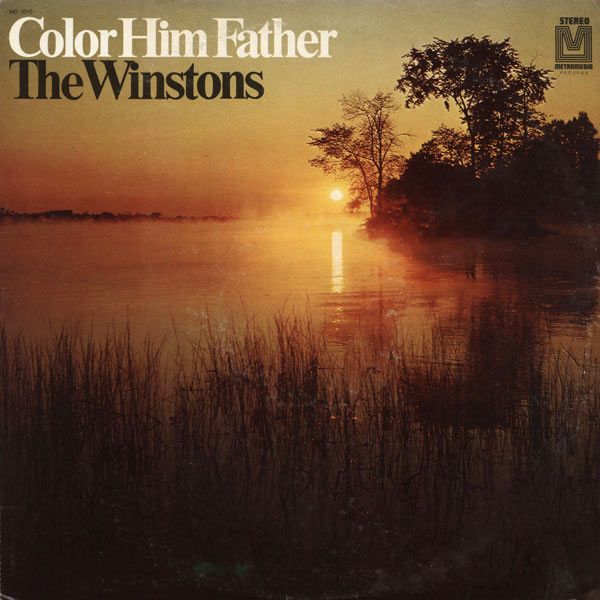
In 1969 a soul band called the Winstons released a single called “Color Him Father.” On the B-side was an instrumental, “Amen, Brother.” Partway through it, the band dropped out and their drummer, Gregory Coleman, played a four-bar solo that lasts about six seconds.
Those six seconds became the Amen break. Producers have sampled it in hip-hop, jungle, drum and bass, pop and rock for nearly 40 years. In May 2026 the Library of Congress added “Amen, Brother” to its National Recording Registry, saying the break “may be the most sampled musical riff in history.” Coleman died broke. The band's leader, Richard L. Spencer, did not see any money from it until fans took up a collection in 2015.
A Hit on the Other Side
The Winstons were a six-piece band from Washington, D.C., described by the Library of Congress as “extremely talented but relatively obscure.” Spencer sang lead and played saxophone. “Color Him Father,” a song about a stepfather, was their big moment. It sold over a million copies, according to the fundraiser later set up for Spencer, and won the Grammy for Best R&B Song in 1970.
“Amen, Brother” was filler for the flip side. It was a funk update of “Amen,” the gospel tune from the 1963 film Lilies of the Field that the Impressions had made a hit. Spencer arranged it and owned the copyright. In the drum break, no other instruments play.
That bareness is what made it so useful later. A sampler could lift the break cleanly, with no guitar or horns bleeding into the drums. Producers could then chop it into its kick drum, snare, hi-hats and cymbal, and rearrange the pieces however they liked.
From a Breakbeat Compilation to Compton
For almost two decades nobody paid it much attention. Then in 1986 came Ultimate Breaks and Beats, a series of compilation records put together for DJs by Louis “Breakbeat Lou” Flores. It collected old records with great drum breaks so hip-hop DJs and producers did not have to hunt for the originals. “Amen, Brother” was on the very first volume.
Hip-hop picked it up quickly. Salt-N-Pepa used it on “I Desire” in 1986. N.W.A built “Straight Outta Compton” on it. In Miami, Felix Sama added a heavy 808 kick drum to the break for Success-N-Effect's “Roll It Up,” a record that travelled to Britain and caught the ear of a new kind of dance producer.
Nobody involved asked permission, and in the 1980s nobody thought they had to. Sampling was new, and the rules about clearing it had not caught up.
Sped Up in Britain
In the UK, producers on the rave scene took the break further. They sped it up, sliced it into single hits, and reassembled it into fast, tumbling patterns over heavy reggae-influenced bass. The result was jungle, and later drum and bass.
From there it spread almost everywhere. It turns up in records by Aphex Twin, Squarepusher, Goldie, LTJ Bukem, Amon Tobin and the Prodigy. Rock acts used it too, including Nine Inch Nails, Slipknot and Oasis. David Bowie built “Little Wonder,” from his 1997 album Earthling, on it. It is even in the theme tune to the cartoon Futurama.
Nobody knows how many records use it. One estimate made around its 50th anniversary put the figure at 1,500 or more. It has also been used in TV advertising and other media, the Library of Congress notes, often by people who have no idea where it came from.
A Phone Call in 1996
Spencer had left the music business in 1971 to get on with his education and his working life. He had heard nothing about the break. Around 1996, while recovering at home from a heart attack, he got a call from a record label that wanted the master tapes of “Amen, Brother.”
The interest puzzled him, so he looked into it. He quickly found out how widely the break had been sampled, and he never returned the label's call. By then, the fundraiser's organiser later explained, the statute of limitations had run out. With thousands of uses, chasing every record that borrowed the beat would in any case have been impossible.
Gregory Coleman, who actually played the drums, received nothing either. He died around 2006. In a 2011 interview for a BBC Radio 1Xtra documentary, Spencer lamented that Coleman had “died homeless and broke.”
Spencer did not threaten to sue anyone. Instead he asked musicians who had done well from the break to “do the right thing” and give a little something back.
The Fans Who Paid Up
Four years later, someone posted Spencer's interview in a Facebook group for jungle fans. Martyn Webster, a 42-year-old DJ from the UK who had grown up on electro, hip-hop and the British breakbeat scene, heard it. He realised nobody had taken up Spencer's request.
Webster got in touch with Spencer, got his blessing, and in February 2015 launched a GoFundMe page called “The Winstons Amen Breakbeat Gesture.” It was not a legal claim, just a request: anyone who had made or enjoyed music using the break could chip in. Within a day it had raised more than $4,500. Webster also promised that if he could reach Coleman's daughter and stepdaughter, they would get a share.
The final total was £24,000. Getting it to Spencer took some time, because moving the money from Britain to the US caused, as Webster put it, “some big headaches with my bank.” He had hoped to hand over the cheque in person but could not travel to America. Instead he posted a video of Spencer holding a giant GoFundMe cheque.
"I am simply a fan and long term lover of the sample that was generated from Richard and The Winstons music."
It was a tiny sum next to what the break has earned other people over the decades. But it was more than anyone in the industry had ever paid.
Into the National Registry
On May 14, 2026, the Library of Congress named “Amen, Brother” one of 25 recordings added to the National Recording Registry that year. It was chosen not for the A-side hit but for Coleman's solo on the B-side, which the Library called “now iconic.”
The break is still everywhere, from drum and bass sets to television adverts. Most people who hear it have never heard of the Winstons, or of Gregory Coleman, the man who played it.